.png)





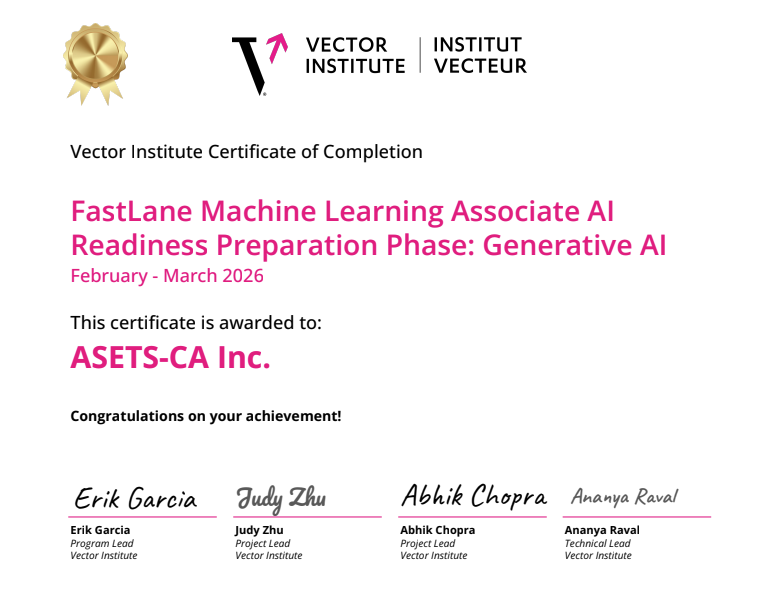
ASETS Completes Vector Institute FastLane Program

Solomon Danquah
ASETS Member

April 20, 2026


Solomon Danquah
ASETS Member
April 20, 2026

Winning More Scan-to-BIM Projects with IDS Halo IDS-HALO on March 26, 2026 in Fredericton, Canada -…
Solomon Danquah
ASETS Member
March 19, 2026

Team ASETS will be sharing insights on the innovation of the Integrated Design Suite...
Solomon Danquah
ASETS Member
Jan 30, 2026
ASETS was nominated for the "Startup of the Year" in 2025...
Solomon Danquah
ASETS Member
Jan 30, 2026
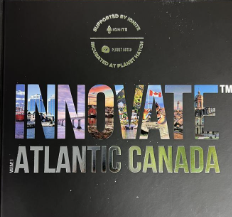
ASETS is proud to have been featured in the inaugural edition of Innovate Atlantic Canada...
Solomon Danquah
ASETS Member
Jan 30, 2026

ASETS was nominated for the "Startup of the Year" in 2025 — an incredible recognition of the hard work and innovation across our team!
Solomon Danquah
ASETS Member
Jan 30, 2026
InnovateNB Awards which was held on Thursday, November 27th, 2025 at the Saint John Trade and Convention Centre, is an annual celebration of innovators and their outstanding contributions to New Brunswick's technology and innovation ecosystem. It recognizes the individuals and organizations driving progress, fostering collaboration, and shaping the province’s future. This event highlights groundbreaking achievements, showcases local talent, and inspires the next generation of innovators.
ASETS was nominated for the "Startup of the Year" in 2025 — an incredible recognition of the hard work and innovation across our team!
Solomon Danquah
ASETS Member
Jan 30, 2026
InnovateNB Awards which was held on Thursday, November 27th, 2025 at the Saint John Trade and Convention Centre, is an annual celebration of innovators and their outstanding contributions to New Brunswick's technology and innovation ecosystem. It recognizes the individuals and organizations driving progress, fostering collaboration, and shaping the province’s future. This event highlights groundbreaking achievements, showcases local talent, and inspires the next generation of innovators.
ASETS is proud to have been featured in the inaugural edition of Innovate Atlantic Canada global series coffee table book
Solomon Danquah
ASETS Member
Jan 30, 2026
The INNOVATE® publishing series is a 350-page in-depth study and AR video series that showcases the people, companies, products, and services that are leading the race within a cities innovation ecosystem. Their mission is to showcase and connect the top 100 innovation success stories from the most exciting cities around the world.
The event, listed on Conference Index, reflects a growing shift within the scanning industry.
Solomon Danquah
ASETS Member
March 19, 2026
A focused industry session titled “Winning More Scan-to-BIM Projects with IDS™ Halo” is set to take place in Fredericton, bringing together professionals from the reality capture and BIM ecosystem to examine a persistent gap in project delivery: the transition from scan data to usable engineering models.
The event, listed on Conference Index, reflects a growing shift within the scanning industry. Firms that once concentrated solely on data capture are increasingly expected to provide structured CAD and BIM outputs. This transition has introduced operational challenges around outsourcing, cost estimation, and quality control, particularly for small and mid-sized scanning companies.
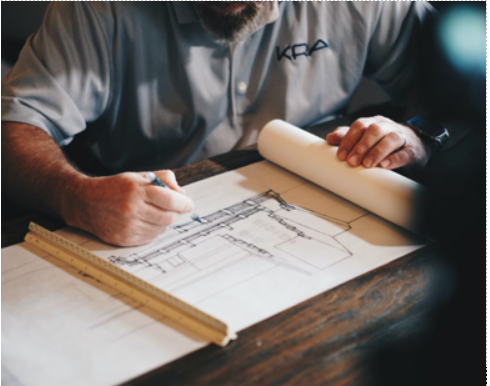
When Traditional Methods Lose Momentum.
Solomon Danquah
ASETS Member
Jan 30, 2026
When Traditional Methods Lose Momentum.
Solomon Danquah
ASETS Member
Jan 30, 2026
For many years, 2D drafting and conventional 3D modelling formed the backbone of factory design. Although these tools remain familiar and reliable, they no longer match the scale and complexity of modern facilities. Global production demands, sustainability requirements, and the need for efficient construction and operation place pressure on design teams who rely solely on traditional methods.
1.1. How Parametric Design Works
Parametric design tools establish defined relationships between components and bind them to their engineering attributes. Instead of creating static shapes, designers apply rules that determine how elements behave when parameters change.
For example, consider a reactor with predetermined inlet and outlet connectors. Traditional modelling would require extensive manual work to adjust its geometry. A parametric model, however, starts from a base template and adjusts dimensions automatically. Any linked piping or equipment updates in real time as the layout evolves. This creates a dynamic and interconnected environment rather than a static drawing set.
1.2. How Parametric Design Addresses the Shortcomings of Traditional Methods
✔ Faster Design Iterations
Adjusting one parameter updates the full 3D model. Designers can test more options with far less effort.
✔ Improved Visualisation and Early Optimisation
Real-time layout updates help teams identify potential issues and refine flow efficiency at an earlier stage.
✔ Expanded Design Exploration
With rule-based modelling, designers can examine a broader range of configurations and uncover options that manual methods might overlook.
✔ Greater Adaptability
Changes propagate across the layout automatically, enabling a more responsive design process that can handle revisions and unforeseen requirements.
In practical terms, parametric design enables facility design teams to work more efficiently, evaluate a wider set of possibilities, and adjust to shifting project needs with minimal effort. The outcome is clearer factory planning, earlier procurement accuracy, shorter project timelines, and improved competitiveness across a rapidly changing manufacturing landscape.

Office
30 Knowledge Park Dr, Suite 320, Fredericton, NB
E3C-2R2
Canada

© Copyright 2026 ASETS-CA Inc